• Skip to main content
  • Skip to primary sidebar

Ask Liz Weston

Get smart with your money

  • About
  • Liz’s Books
  • Speaking
  • Disclosure
  • Contact

Divorce & Money

Now available: My new book!

August 28, 2012 By Liz Weston

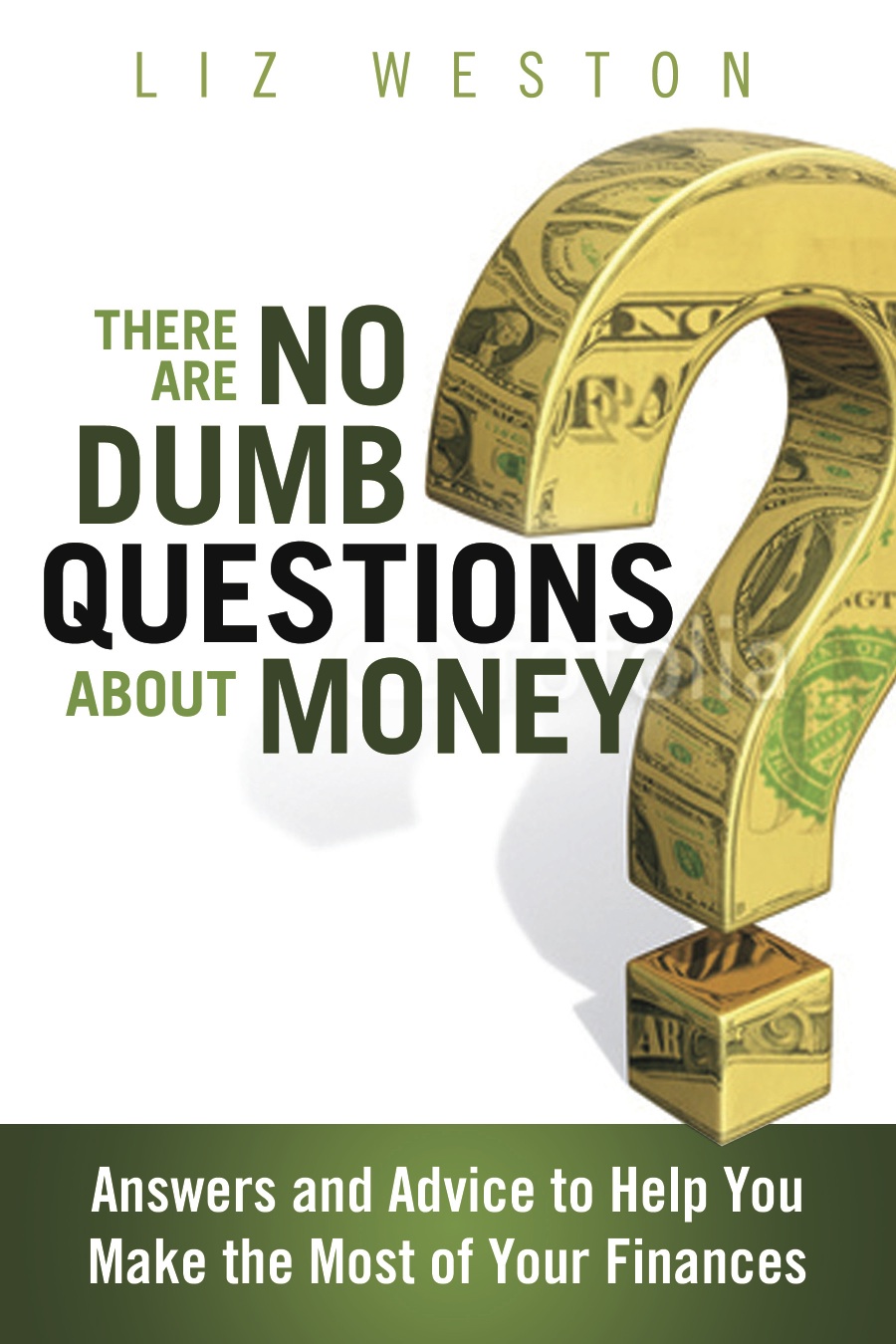
Do you have questions about money? Here’s a secret: we all do, and sometimes finding the right answers can be tough. My new book, “There Are No Dumb Questions About Money,” can make it easier for you to figure out your financial world.

I’ve taken your toughest questions about money and answered them in a clear, easy-to-read format. This book can help you manage your spending, improve your credit and find the best way to pay off debt. It can help you make the right choices when you’re investing, paying for your children’s education and prioritizing your financial goals. I’ve also tackled the difficult, emotional side of money: how to get on the same page with your partner, cope with spendthrift children (or parents!) and talk about end-of-life issues that can be so difficult to discuss. (And if you think your family is dysfunctional about money, read Chapter 5…you’ll either find answers to your problems, or be grateful that your situation isn’t as bad as some of the ones described there!)

Interested? You can buy this ebook on iTunes or on Amazon.

Filed Under: Annuities, Banking, Bankruptcy, Budgeting, College, College Savings, Couples & Money, Credit & Debt, Credit Cards, Credit Counseling, Credit Scoring, Divorce & Money, Elder Care, Estate planning, Financial Advisors, Identity Theft, Insurance, Investing, Kids & Money, Liz's Blog, Real Estate, Retirement, Saving Money, Student Loans, Taxes, The Basics Tagged With: 401(k), banking, Bankruptcy, Budgeting, college costs, College Savings, Credit Bureaus, Credit Cards, Credit Scores, credit scoring, Debts, emergency fund, FICO, FICO scores, financial advice, Financial Planning, foreclosures, Identity Theft, mortgages, Retirement, Savings, Social Security, Student Loans

Short sales, foreclosures have similar effect on credit scores

July 23, 2012 By Liz Weston

Dear Liz: I went through a divorce in the last year after being separated for two years. During our separation, we closed credit cards with high balances to make sure neither party would spend more on credit. We also had to short sell our home. So, as a single woman in her mid-30s, I have credit that’s somewhat shot for now. How many months should I expect the short sale to affect my credit scores? And was closing the credit card accounts good or bad for my credit?

Answer: Closing credit accounts can’t help your credit scores and may hurt them. In a divorce, however, it’s usually wise to close all joint accounts. Otherwise, your credit rating is in the hands of your ex-spouse, who could trash your scores by paying accounts late or maxing out credit lines.

In any case, the short sale probably had a much greater effect on your credit than the account closures. Short sales typically damage your credit as much as a foreclosure, according to the company that created the leading FICO credit score. Recovery times are measured in years, not months. If your scores weren’t that high to begin with — say 680 in the 300-to-850 FICO scale — it would take about three years for your numbers to return to their old levels. If your scores were high, say 780, it would take about seven years to restore them to their old peaks.

These recovery times assume you handle credit responsibly from now on. That means having and lightly using a credit card or two, making all payments on time and ensuring no account goes to collections.

Filed Under: Credit & Debt, Credit Scoring, Divorce & Money, Q&A, Real Estate Tagged With: Credit Cards, credit score recovery, Credit Scores, credit scoring, Debts, FICO, FICO scores, foreclosure, foreclosures, short sales

  • « Go to Previous Page
  • Page 1
  • Interim pages omitted …
  • Page 6
  • Page 7
  • Page 8

Primary Sidebar

Search

Copyright © 2026 · Ask Liz Weston 2.0 On Genesis Framework · WordPress · Log in