• Skip to main content
  • Skip to primary sidebar

Ask Liz Weston

Get smart with your money

  • About
  • Liz’s Books
  • Speaking
  • Disclosure
  • Contact

Credit Reports

So is it pointless to try to fix credit report errors?

February 11, 2013 By Liz Weston

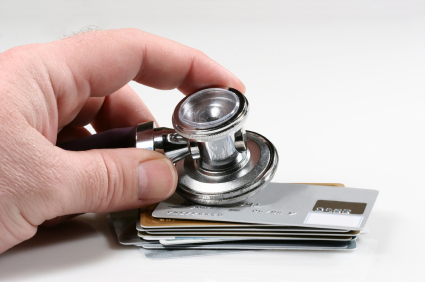
Credit Check 1Dear Liz: I watched 60 Minutes last night regarding the 3 credit bureaus and was amazed at what I learned.  I was hoping to spend time trying to repair our credit score, but according to the report last evening, it sounds like a total waste of time as the three credit bureaus basically are not accountable to anyone and they very rarely take action in your defense.  Was this a one-sided view?

Answer: The credit bureaus would tell you yes, but the answer is way more complicated than that.

The show reported that 40 million Americans have errors on their credit reports. That’s about one in five U.S. adults covered by the credit bureau industry. About half (one in 10) have errors serious enough to hurt their credit scores.

(Update: A Federal Trade Commission report released today said one in four had at least one “potentially material error” on at least one of their three credit reports and that one in 20 consumers had significant errors on their credit reports that could cause them to pay more loans.)

That’s a pretty high error rate, but an even bigger problem is that the process to fix mistakes is almost completely automated and structured to favor the data provider (the banks, lenders and others supplying information) over the consumer. Here’s how the Ohio attorney general described it:

“The federal law says that if you believe that there is a mistake, you can go to them and they have an obligation to do a reasonable investigation. They’re not doing a reasonable investigation. They’re not doing an investigation at all.”

The show interviewed former bureau employees in Chile who confirmed what others have reported: that their jobs were to assign two-digit codes to the complaints. That’s it. Then the complaints are forwarded to the lenders and other data providers for response.

People can and do get errors fixed if the data provider acknowledges the error or simply fails to respond to the credit bureaus’ queries. If the data provider continues to insist it’s right, however, it’s pretty tough (if not impossible) to get the bureaus to step in.

That’s how people get caught in seemingly endless cycles of disputing mistakes only to have them reappear, or never disappear, from their reports.

The credit bureaus, which apparently turned down opportunities to respond on camera, now point to a study by the Policy and Economic Research Council that found 95% of consumers were satisfied with the outcome of their disputes. The study was paid for by a grant from the Consumer Data Industry Association, which represents the credit bureaus.

It’s not exactly pointless try to fix errors. The FTC report said four out of five people who dispute errors get results. You should still try, and you may well find it’s possible, but you should plan to be tenacious if your initial efforts are rebuffed. (You should get your free credit reports directly from www.annualcreditreport.com. Don’t go to other, lookalike sites, some of which are owned by the credit bureaus but that aren’t the federally-mandated site that gets you your free reports.)

You should also support efforts by regulators and consumer advocates to require the credit bureaus to put a more responsive system in place.

Filed Under: Credit & Debt, Credit Scoring, Q&A Tagged With: AnnualCreditReport.com, Credit Bureaus, Credit Reports, Credit Scores, credit scoring, FICO, FICO scores

Don’t close accounts; pay off debt instead

February 4, 2013 By Liz Weston

Dear Liz: I’m 22 and a graduate student with only one year left before I enter the “real world.” I have four credit cards — one store card, two Visa cards and one MasterCard — only one of which carries a balance. I want to make the best decisions regarding my financial health. Which would be better for my credit: closing the account that’s the oldest (opened when I was 18) but that will no longer be used because of its small credit limit and high interest rate, or leaving the line open?

Answer: Closing accounts can’t help your credit scores and may hurt them. If you had a long credit history and many accounts, the impact of closing a low-limit account shouldn’t be that great. With such a short history and relatively few accounts, though, you could be doing unnecessary damage to your scores.

The best thing you can do for your financial health, now and in the future, is to pay off your credit card balance. Credit cards should be used as a convenience, not as a way to live beyond your means. Resolve to charge no more than you can pay off in full each and every month. You’ll save yourself a fortune in interest and help protect yourself against bankruptcy.

Filed Under: Credit & Debt, Credit Cards, Credit Scoring, Q&A Tagged With: Credit Cards, Credit Reports, Credit Scores, credit scoring, FICO, FICO scores

You don’t have to be in debt to have good scores

February 4, 2013 By Liz Weston

Dear Liz: How deep in debt must a person get before he or she is able to get a mortgage on a home? My grandson, age 26, has been steadily employed by the same company for nearly six years. He rents a place he can afford, buys used cars for cash, has a nice savings account and basically avoids debt by not buying things he can’t afford with cash. Now he would like to begin investing in a home. When applying, however, all he hears is that because he doesn’t have a credit rating, he can’t get a loan. Does he really have to create debt in order to get a loan?

Answer: The idea that you have to be in debt to have a good credit score is a persistent and destructive myth. It’s just as wrong as the idea that all you have to do to have good scores is manage your finances responsibly.

To have good credit scores, you must have and use credit accounts. This does not mean you have to be in debt or carry credit card balances. Simply using a couple of credit cards lightly but regularly and paying them off in full is enough to build good scores over time.

Your grandson may need to start by getting a secured card, which offers a line of credit equal to the amount of cash the applicant deposits at the issuing bank. Websites such as NerdWallet, CreditCards.com, CardRatings.com and LowCards.com highlight current secured card deals.

He also could consider “piggybacking” onto someone else’s good credit by being added as an authorized user to that person’s credit card. In some cases, the other person’s history with the card can be imported to your grandson’s credit bureau files. The person considering adding your grandson should check with the issuer to see whether such an import is possible.

Filed Under: Credit & Debt, Credit Cards, Credit Scoring, Q&A Tagged With: Credit Cards, Credit Reports, Credit Scores, credit scoring, debt, Debts, FICO, FICO scores

Does giving up your land line hurt your credit scores?

January 7, 2013 By Liz Weston

Dear Liz: I recently heard that not having a land-line home phone number can hurt your credit score because it indicates instability. Is this true? I, like many people, use only my cellphone and no longer have a land line.

Answer: The answers to most credit scoring questions are complex because the formulas are complex. In this case, though, the answer is simple. What kind of phone you use is not a factor in your credit scores.

Credit scores are based on the information in your credit reports, which typically doesn’t include information from telephone companies unless you’re applying for a new account (in which case a credit inquiry may appear) or seriously delinquent in paying your bills (in which case a collection account may appear).

Lenders typically use other criteria in addition to your credit score to evaluate your application. Those criteria may include your income, your debt-to-income ratio, how long you’ve worked for your current employer and other information that’s not part of the credit scoring formulas. So it’s conceivable a lender might prefer people who have land lines, but with so many people using cellphones only, that lender would certainly be behind the times.

Filed Under: Credit Scoring, Q&A Tagged With: Credit Bureaus, Credit Reports, Credit Scores, credit scoring, FICO, FICO scores

How to bounce back from bad credit

June 30, 2012 By Liz Weston

Foreclosure, bankruptcy or a history of missing payments can send your credit scores into the basement. The good news: nothing is permanent in the world of credit and credit scoring. You can rehabilitate your scores over time if you know how.

Here’s what to do:

Pull your credit reports from all three bureaus. Check for errors and dispute any serious mistakes, such as accounts that aren’t yours or late payments being reported when you paid on time.

If you don’t have any credit cards, apply for a secured card. These cards give you a credit line that’s equal to the amount of cash you deposit with the issuing bank. NerdWallet recommends the Capital One Secured Card and the Orchard Bank Secured Card.

Use your cards lightly but regularly. Your charges shouldn’t total more than about 30% of your credit limit—10% or less would be even better. And you shouldn’t charge more than you can afford to pay off in full every month. Carrying balances doesn’t help your credit scores, and it’s expensive. So don’t do it.

Apply for an installment loan. Your credit scores will recover faster if you have a mix of credit, which means both revolving accounts (credit cards) and installment accounts (mortgages, auto loans, student loans). If you don’t already have an installment loan, consider applying for a personal loan from your local credit union. These member-owned financial institutions often have been rates and more flexible credit standards than traditional banks. Don’t belong to a credit union? You can find one you’re eligible to join here.

Pay your bills on time, all of the time. One skipped payment can devastate your scores. So can an account that’s charged off, or that’s turned over to collections.

You can track your progress by using a credit monitoring service that includes your credit score. Some sites, like Credit Karma, offer credit monitoring for free, although the credit score you get isn’t the FICO score most lenders use. To get your FICO, you’ll need to sign up with MyFico.com.

Filed Under: Liz's Blog Tagged With: Credit Bureaus, Credit Reports, Credit Scores, credit scoring, Debts, FICO, FICO scores

“Authorized user” info may not be enough

June 18, 2012 By Liz Weston

Dear Liz: You recently answered a question about a young man who was turned down for a car loan because he graduated from college debt free and had no credit history. This is the same scenario my daughter encountered this past year.

Despite having a solid job for three years at a good salary, plenty of money in the bank (more than $10,000) and no expenses to speak of, she was turned down repeatedly for credit cards because of “no credit history.” She had been an “authorized user” of our cards for several years. (We have excellent credit scores.) She was told that she needed to be a responsible party on the cards for them to be counted in her application.

I would tell parents to have their child obtain a credit card through the bank or credit union that has her college checking account. That’s what we did with our youngest, who is just completing college and now has a credit history.

Answer: You bring up an excellent point. Although authorized user information can enhance someone’s credit scores, lenders usually have additional criteria they want applicants to meet, such as minimum income levels, job stability and a certain “thickness” to their credit files (which might include other types of credit accounts besides authorized-user accounts).

New credit regulations make it somewhat more difficult than it used to be to qualify for a credit card while in college, but it still can be easier to get a card while in school than afterward.

Filed Under: Credit Cards, Credit Scoring, Q&A Tagged With: authorized user, college students, Credit Cards, Credit Reports, Credit Scores, FICO, FICO scores

  • « Go to Previous Page
  • Page 1
  • Interim pages omitted …
  • Page 7
  • Page 8
  • Page 9
  • Page 10
  • Go to Next Page »

Primary Sidebar

Search

Copyright © 2026 · Ask Liz Weston 2.0 On Genesis Framework · WordPress · Log in