• Skip to main content
  • Skip to primary sidebar

Ask Liz Weston

Get smart with your money

  • About
  • Liz’s Books
  • Speaking
  • Disclosure
  • Contact

Saving Money

Friday’s need-to-know money news

June 7, 2013 By Liz Weston

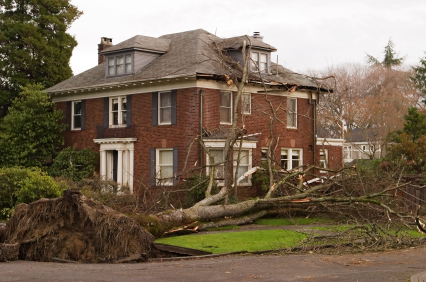
House With Tree DamageThe inconvenient costs of convenience checks, the effects of the sequester on the unemployed, how to save money by purchasing an energy efficient home, how to save your financial sanity when your kids move back home and why hurricane season means it’s time to check your auto insurance coverage.

The True Costs of Credit Card Convenience Checks

The checks sent by your credit card company under the guise of convenience could lead to some very inconvenient fees.

Why the Unemployed Are Seeing Smaller Checks

The effects of sequestration mean 11% to 22% cuts for unemployment checks.

Bill Would Sweeten Loans for Energy-Efficient Homes

Purchasing an energy-efficient home could land you a larger mortgage and a lower interest rate under a Senate bill introduced with broad real estate industry support.

How to Set Money Ground Rules For A Boomerang Kid

With over 13% of parents having a grown child living at home, it’s important to set financial ground rules in order to keep the peace.

Hurricane season: Make sure your car is covered

Hurricanes damage hundreds of thousands of cars, but insurer rules prevent last-minute buying of coverage. Now is the time to review your policy.

 

Filed Under: Liz's Blog, Saving Money, The Basics Tagged With: auto insurance, Credit Cards, Insurance, mortgage, mortgage rates

“Permanent” employment? No such animal

June 3, 2013 By Liz Weston

Dear Liz: My spouse has tenure at a university. Given that one of us will always be employed, should we change the way we look at the amount of money we keep in an emergency fund or our risk tolerance for investments?

Answer: Even tenured professors can get fired or laid off. Tenure was designed to protect academic freedom, but professors can lose their jobs because of serious misconduct, incompetence or economic cutbacks, such as when a department is eliminated or a whole university is closed. About 2% of tenured faculty are dismissed in a typical year, according to the National Education Assn.’s Higher Education Department.

That’s more job security than in most occupations, of course. Your spouse also may have access to a defined benefit pension, which would give him or her a guaranteed income stream in retirement. Those factors mean you reasonably can take more risk with your other investments.

As for your emergency fund, you may be fine with savings equal to three months of expenses. But consider that if your spouse were to be dismissed, he or she probably would have a tough time finding an equivalent position. If the institution starts having financial difficulties or if there is any reason to suspect that he or she could be dismissed, a fatter fund could come in handy.

Filed Under: Budgeting, Investing, Q&A, Saving Money Tagged With: emergency fund, Investing, investment risk

Smarter travel planning this summer

May 22, 2013 By Liz Weston

GondolaIt’s time to plan some summer fun, and yesterday’s “Smarter Travel” Tweetchat with Ally Bank featured some great tips. (You can check out the conversation using #allymoneychat on Twitter.)

Here are some ideas to cut your costs:

Travel outside the box. Your options aren’t just “fly or drive”? Donna Freedman recommends checking out the Megabus. “I went from Philly to NYC for $1.50. Could make day trips really cheap.” She also traveled on the Megabus in the United Kingdom for a fraction of what the train fare would have cost. Speaking of trains, overnight trips on Amtrak can be pretty expensive, but we’ve scored free roomettes (double-bunk sleeper) and bedrooms on overnight trips up and down the West Coast using Starwood points that we dumped into Amtrak’s Guest Rewards program.

Cut hotel costs. Once again, your choices aren’t just “hotel or bunk with friends”? Check out Airbnb or VRBO or consider a house swap.

Book strategically. The best day to book airfares is often Tuesday, while the cheapest day to fly is usually Wednesday. But Bing’s price predictor can help you figure out whether to snap up a fare or wait a little longer. (Just search for an airfare, and the predictor will give you the likelihood the current fare will increase or drop.) Join frequent flyer programs and sign up for email newsletters so you can hear about special sales. Kiplinger has more here in its “21 secrets to save on travel.”

Rescue orphaned miles. Got points in a travel program you no longer use? You may be able to shift them to a loyalty program you do use. Check out Webflyer.com’s Mileage Converter to explore the possibilities. Speaking of points:

Don’t settle for expensive. Last-minute trips don’t have to be budget-busters. Airlines may release more seats a few days prior to the flight so that you can book them with frequent flyer miles. Priceline and Hotwire are great places to bid for cheap flights, rooms and cars.

Re-shop your reservations. Change fees make rebooking airfares tough on most carriers, but you can typically change hotel and car rental reservations without penalty. I usually book a few months in advance, then check three weeks out and again a week out to see if hotel or car rates have fallen.

Plan cheap fun. Last time we visited Hawaii we bought an Entertainment book for the islands before we left. The $10 we spent for the book was offset with our first museum visit; the coupons for other activities and restaurants were a bonus. Donna suggests talking to locals and doing searches for “free/cheap things to doyou’re your destination. “Maybe something just opened & isn’t on the general radar yet,” she noted.

Filed Under: Liz's Blog, Saving Money Tagged With: travel

How much cash should you keep on hand?

May 20, 2013 By Liz Weston

Dear Liz: A few years ago I finished paying off my debt and now am in the very low-risk credit category. I have savings equal to about three months’ worth of bills and am working to get that to six months’ worth. I’m wondering, though, about an emergency that may require me to pay in cash (such as a major power outage that disables debit or credit card systems, or the more likely event that I forget the ATM or credit card at home). How much cash should a person have on hand? Is there a magic number?

Answer: There’s no magic number. You’ll have to weigh the likelihood you’ll need the green, and the consequences of not having it when you need it, against the risk of loss or theft.

Many people find it’s a good idea to tuck a spare $20 into their wallet for emergencies, and perhaps another $20 in their cars if they’re in the habit of forgetting their wallets or their plastic.

Cash for a disaster is another matter. Power could go out for a week or more, or you may need to evacuate and pay for transportation and shelter at a time when card processing systems are disabled. A few hundred bucks in cash probably would be the minimum prudent reserve you’d want to keep in a secure place in your home. You may decide that you need more.

Filed Under: Banking, Budgeting, Q&A, Saving Money, The Basics Tagged With: emergency fund, emergency preparedness, emergency savings

Want to get away this summer?

May 20, 2013 By Liz Weston

GondolaPlease join me on Twitter tomorrow (Tuesday) at 2 p.m. Eastern/11 a.m. Pacific when we’ll be discussing “Smart Planning for Summer Travel.” Among the topics:

  • How to take advantage of dropping airfares
  • How to plan financially for travel and take advantage of discounts
  • Good apps and Web sites to use
  • When to consider home swaps or rentals instead of a hotel
  • How to handle travel setbacks and emergencies

And much, much more.

You can RSVP at http://bit.ly/15GUesH and check out the Twitter feed @AllyBank for more details. On Tuesday, join us at http://tweetchat.com/room/allymoneychat to follow us
during the chat.

Filed Under: Liz's Blog, Saving Money Tagged With: travel

When “the basics” eat up too much of your income

April 29, 2013 By Liz Weston

Dear Liz: My husband and I are recovering from a job loss four years ago. We used up all our savings and home equity. My husband is now employed, but we are struggling to keep ahead even with a salary of about $100,000. I was a stay-at-home mom for the first 10 years of our kids’ lives and now I work two part-time jobs to help with our expenses. We are trying to follow the 50/30/20 budget plan you recommend, but can’t seem to get our “must haves” — which are supposed to be no more than 50% of our after-tax income — down from 80% to 90%. Most of the rest goes for “wants,” such as the kids’ dance classes and soccer teams and for cellphones. We’re not saving anything although we’re trying to whittle down our credit card debt. I have tried several times to refinance our first and second mortgages and home equity line of credit but have found we don’t qualify because too much is owed on our modest three-bedroom, one-bath house, which has gone down significantly in value. We also have two car loans that are worth more than the cars, and the insurance is killing us. Amazingly enough, we have never been late on a payment. We just can’t get ahead. Did I mention that both kids need braces?

Answer: You clearly can’t afford your life, and things will only get worse if you don’t get your spending in line with your income.

Your first step should be to consult with a HUD-approved housing counselor, who can advise you of your mortgage options. You can get referrals from http://www.hud.gov. If your first mortgage is held by Fannie Mae or Freddie Mac, you may be able to refinance it through the federal government’s Home Affordable Refinance Program. Recent changes in the program have helped more underwater homeowners refinance. Even if you’ve been turned down by one lender, you can try with another. One way to search for HARP quotes is through Zillow’s online mortgage quote service at http://www.zillow.com/mortgage-rates/.

The Federal Housing Administration and the Veterans Administration also have streamlined refinancing programs for their underwater loans.

Government programs usually define an “affordable” payment as one that’s 31% or less of your gross income, but that may be too high for many families to comfortably handle. Ideally, your housing costs — including mortgage, property taxes and insurance — would consume no more than about 25% of your gross (pre-tax) income.

If you exhaust your options and can’t get your mortgage payments down to an affordable level, you should consider a short sale of your home. Moving is terribly disruptive and expensive but it’s better than letting a house sink your finances.

Then take a look at your cars. The average annual cost of owning a car is $8,946, according to AAA. You can make the argument that one car is a necessity, but having two is typically more of a convenience than a “must have.” Getting rid of one could dramatically lower your insurance and transportation costs.

Since you’re underwater on both, you’ll need to look at which is cheapest to operate and which is closest to being paid off. If they’re the same, then your choice is easier — you can work toward paying that car off faster so you can sell it. Otherwise, you’ll have to weigh which loan to target first.

Another way to get your budget balanced is to make more money. That may mean asking for more hours at your jobs or looking for opportunities that pay better.

Filed Under: Budgeting, Credit & Debt, Credit Cards, Q&A, Saving Money Tagged With: 50/30/20, auto loan, auto loans, Budgeting, budgets, Home Affordable Refinance Program, mortgage refinancings, refinancing

  • « Go to Previous Page
  • Page 1
  • Interim pages omitted …
  • Page 8
  • Page 9
  • Page 10
  • Page 11
  • Page 12
  • Interim pages omitted …
  • Page 14
  • Go to Next Page »

Primary Sidebar

Search

Copyright © 2026 · Ask Liz Weston 2.0 On Genesis Framework · WordPress · Log in