• Skip to main content
  • Skip to primary sidebar

Ask Liz Weston

Get smart with your money

  • About
  • Newsletter
  • Liz’s Books
  • Speaking
  • Disclosure
  • Contact

travel

Q&A: The best form of money to use while traveling through Europe

June 1, 2014 By Liz Weston

Dear Liz: My friend and I are widowed and really not money-wise. What is the best form of money to use in Europe, including Budapest, Vienna and various small towns? I’ve heard small-town merchants (and maybe even those in cities) don’t take credit cards, but even if they do, our bank charges substantial fees. I’ve also heard negative things about using ATMs. We’re going to be in most places only for one night, so getting each area’s currency would be cumbersome.

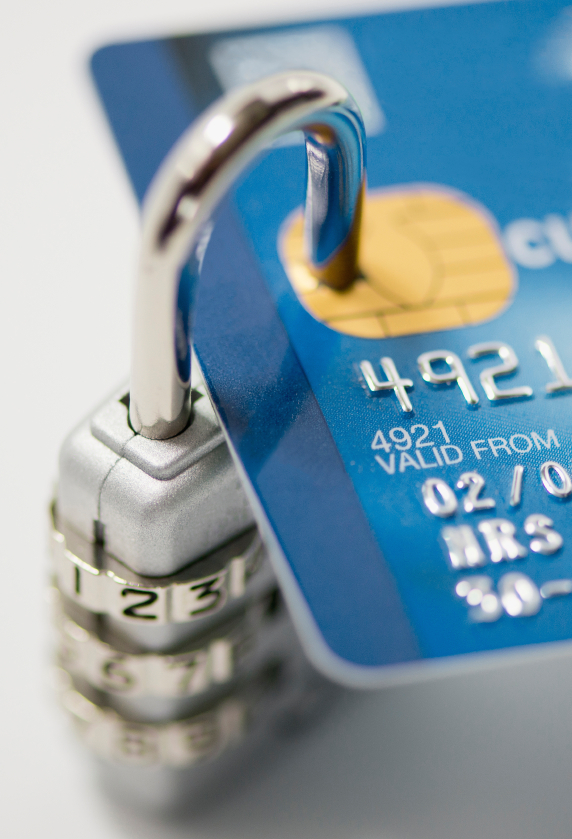
Answer: Americans accustomed to paying with plastic can be surprised to discover that merchants abroad, including some hotel owners, want to be paid in cash. Even businesses that accept credit cards may balk at processing U.S. cards, since our plastic lacks the more secure chip-and-PIN technology now used by most of the rest of the world.
So you’d be smart while traveling abroad to have multiple ways to pay and to choose methods that don’t ding you with excessive fees.

Let’s start with credit cards. Carry at least one with a Visa or MasterCard logo, because those are the most widely accepted brands in Europe. Call your issuers to see whether they charge foreign transaction fees. Many do, and these fees of up to 3% make every purchase more expensive than it needs to be. If all of your cards charge such fees, consider applying for one that doesn’t. Capital One waives foreign transaction fees on all of its cards, according to financial comparison site NerdWallet. Other cards that waive such fees, and which offer rich travel rewards, include Barclaycard Arrival World MasterCard, Chase Sapphire Preferred and BankAmericard Travel Rewards Credit Card.

Whichever card you use, call the issuer to let it know the dates you’ll be abroad. Otherwise your issuer may shut down your account for suspicious activity. Carry a backup card (and alert its issuer) in case your primary account is compromised or mistakenly blocked.

When you need local currency, the best way to get it is often from a bank ATM. Travel guru Rick Steves, who spends a few months in Europe each year and primarily uses cash, suggests you avoid “independent” ATMs run by companies such as Travelex, Euronet and Forex because of their often-high fees. Bank ATMs in Europe typically don’t charge usage fees, although your home bank may levy a $2 to $5 flat fee plus a foreign transaction fee of 1% or more for every withdrawal.

You can minimize usage fees by making infrequent but large withdrawals. Or you can use a checking account that doesn’t charge fees. Charles Schwab’s high-yield checking account offers unlimited ATM fee rebates worldwide with no foreign transaction fees, according to Brian Kelly of the travel rewards site ThePointsGuy.com. If you have an account with Capital One 360, the online bank, ATM fees are waived and the bank absorbs MasterCard’s 1% foreign transaction fee. USAA Bank charges a 1% foreign transaction fee but doesn’t charge a fee for the first 10 ATM withdrawals.

If you do find yourself carrying a lot of cash abroad, consider bringing a money belt that tucks under your clothes. That’s generally more secure than carrying money in a wallet or purse. And have a great trip!

Filed Under: Q&A, The Basics Tagged With: currency, Europe, q&a, travel

Tips for a great (and affordable) road trip

April 1, 2014 By Liz Weston

Majestic Vista of the Grand Canyon at DuskMy daughter and I just got back from a 1,300-plus mile road trip so I could attend a business conference in Phoenix. Along the way we checked out Joshua Tree, Prescott, the Grand Canyon, Sedona, Montezuma’s Castle and the Tuzigoot National Monument. The trip back included stops at the Salton Sea and the amazing Living Desert zoo and botanical gardens near Palm Springs.

Her dad and I took several road trips before she was born, exploring the West and Southwest. They were among our most memorable (and cheap) vacations.

I was pleased to find road trips can still be a frugal way to travel. Our motel rooms typically cost less than $100 a night; even at the Grand Canyon’s comfortable Yavapai Lodge, we paid just $140 to sleep in two queen beds not far from the South Rim. Meals were rarely more than $20 for the two of us, and we spent less than $150 on gas thanks to my 36-mpg-plus Chevy Volt.

So here are my best tips for a memorable road trip that won’t cost a fortune:

Bring the right supplies. Snacks, breakfast makings and a cooler can save you a lot of money on the road. I bring oatmeal (which you can make in a mug, adding water heated by the motel coffee maker), peanut butter for the kiddo, fruit, milk and crackers.

Spring beats summer. At least in the West, the crowds tend to be thinner and the weather less scorching. Since schools schedule their spring breaks at different times, you’re not traveling at the same time as every other family in the freakin’ universe.

Use Yelp. Or TripAdvisor. I found good, affordable places to stay and eat thanks to user reviews. The best find was The Views Inn in Sedona, a clean, comfortable spot with a nice breakfast and an eager-to-please manager. Being willing to stay on the outskirts of town rather than in the center can save you $100 or more a night (or $200, when it comes to Palm Springs in high season).

Ask the locals. Yelp is also good for finding great cheap eats, but asking locals for their recommendations is a great way to start a conversation.

Give the kid a camera. We figured out years ago that our daughter stays much more engaged when she can capture what she’s seeing. Yes, she winds up with 16 pictures of lizards scuttling through the desert, but so what? I have many, many more of her grinning in front of various national monuments.

Catch the ranger talks. I didn’t think “Men, Mules & Mining” at the Grand Canyon would be particularly riveting, but I was so wrong. The stories and accompanying slides were fascinating. So was the geology talk the next day at the Yavapai Museum of Geology. Most of the rangers we encountered were good story-tellers and great about keeping kids engaged.

Set limits on your driving time. When our daughter was an infant or a toddler, driving four hours a day was a lot. Now she can tolerate more, but I found myself pretty weary at the end of an 8-hour travel day. Which may explain why I blearily clipped a dead elk some other unfortunate driver had previously killed on the road to the Grand Canyon. No damage to us or the car; wish I could say the same for the poor elk. In any case, next time I’ll probably limit drives to four hours, tops.

Download an audio book. There are only so many rounds of 20 Questions an adult can, or should, play. Fortunately, we had the third book in the Hunger Games trilogy to keep our minds occupied for much of the trip home. Your local library has tons of audio books you can borrow (in CD version or via digital downloads).

Bring emergency supplies and tools. We never needed the water or trail mix I always pack in the trunk, but I always feel better knowing they’re there.

Filed Under: Liz's Blog Tagged With: Grand Canyon, road trips, saving money, travel

Who offers real chip-and-PIN cards in the U.S.

March 14, 2014 By Liz Weston

Chip cardMost of the rest of the world has adopted more secure chip-and-PIN credit cards–which can cause some problems for Americans traveling overseas.

When we were in Italy two years ago, we found our old-school magnetic-stripe cards wouldn’t work in automated kiosks. That included our British Airways card, which had a chip, but no PIN. Without a personal identification number to punch in, it was useless.

Unfortunately, many articles about where to get chip-and-PIN cards in the U.S. make the mistake of thinking chip-and-signature cards are the same thing. They’re so not.

Because we’re going to Europe again soon,  I hit up Bill Hardekopf of LowCards.com for a list of U.S. issuers that offer the real deal. The few organizations on this list have many members that travel overseas. And here they are:

United Nations Federal Credit Union.. If you don’t actually work for the UN, you can become a credit union member by joining United Nations Association ($25 membership fee).

USAA. You must be a member of this financial services organization for active-duty military, veterans and their families.

Andrews Air Force Base Federal Credit Union. “You can  join by becoming a member of the American Consumer Council which is open to all so essentially is open membership,” Hardekopf said. Membership is $5.

State Department Federal Credit Union. Same deal: you can  join by becoming an American Consumer Council member.

Pentagon Federal Credit Union. You can join this credit union is you’re a member of one of a host of associations. If you’re not already a member of one, you can join Voices for America’s Troops for $15.

Or you can just wait, if you don’t have an overseas trip planned. True chip-and-PIN cards should be here by October 2015, when merchants without the terminals to process the cards and banks that have failed to issue them will have to pay for fraud. As Ron Lieber of the New York Times put it, “It’s an elaborate game of chicken, fitting for an industry where the major players spent years embroiled in a lawsuit.” Ultimately, though, more secure cards will benefit banks, merchants and consumers.


Filed Under: Liz's Blog Tagged With: chip and PIN, chip cards, Credit Cards, foreign travel, travel

Hacking Hawaii

August 29, 2013 By Liz Weston

DSC06577“It’s beautiful, but so expensive!”

More than one friend has told me they were blown away by how much their Hawaiian idyll cost them. They were prepared for hefty airfares, but the daily costs of living are what got them.

Here’s what we did to keep the bills down during a recent trip to Maui:

Used points and miles. Home exchanges, AirBnB and even camping are options to minimize lodging expenses, but we like nice resort hotels with fancy pools. Fortunately, hotel rewards programs typically give you a much better bang for your buck than most airline frequent flyer plans. You typically have to pay a $25 to $30 daily resort fee and you may have to pay for parking, but that’s way less than the usual $350-and-up rack rate. Both resort hotel rooms had refrigerators, which made it easier to:

Eat like a local. There are some wonderful restaurants on Maui…and many that charge a lot for a mediocre meal. We stocked up on breakfast foods, healthy snacks and lunch fixings at a local Safeway, then pestered locals for recommendations to holes-in-the-wall with good food and low prices. The people who work at resorts or who guide adventures are often a wealth of information, since they’re trying to live on not-great salaries in an area with a high cost of living. (Just avoid the concierge desk, since those folks may have incentives to steer you to pricier places.) We booked a few dinners at some Frommers-recommended restaurants that we thoroughly enjoyed, knowing these pricier places were offset by our thriftiness elsewhere.

Eschew resort prices. One of our hotels charged $20 a day to rent a snorkel set. Steps away an independently-run kiosk charged $25 for a week. In Lahaina, a shop charged $9 a week. Activities offered through the resort (parasailing, kayaking, snorkel trips and so on) also had big markups. The convenience simply isn’t worth the cost, in most cases. Booking adventures and excursions directly with the provider online can save you a bunch of cash. A good guidebook can steer you to the best outlets.

Put everybody on an allowance. Our daughter was allowed to bring $100 of her savings to buy souvenirs. I set a daily allowance for our spending as a family, and we stuck pretty close to it (excluding what we spent for Christmas and other gifts). Knowing how much you’ve got to spend makes it easier to say “That’s it for today” when you’ve reached your daily limit, knowing you can schedule pricier excursions, meals or purchases for tomorrow.

Check out farmers markets. We didn’t get a chance to do it this visit, but on previous trips we’ve enjoyed fresh fruits and vegetables at good prices as well as crafts and artwork produced by locals. Maui has farmers markets in several locations.

Enjoy the free stuff. I had a great time watching an evening hula show at an outdoor shopping mall. The performers may not have been as dazzling as the fire dancers at the hotel luau, but they were more authentic (fire dancing is a Samoan, not a Hawaiian, specialty) and lovely to see. In previous trips, we’ve enjoyed free open-air concerts and demonstrations of various crafts. Splashing in the pool, swimming in the ocean and talking long walks through beautiful scenery are always highlights of our trips. You can check the local newspaper and search for “free stuff to do in Hawaii” online for more ideas.


Filed Under: Liz's Blog Tagged With: Hawaii, Maui, travel, travel costs

Wednesday’s need-to-know money news

July 24, 2013 By Liz Weston

HomeInheriting Grandma’s frequent-flier miles, how to pay less for homeowner’s insurance, and what you need to know about rising interest rates.

How Student Loans Can Hurt Your Mortgage Application
Those pesky student loans can reduce your ability to borrow money.

Can You Inherit or Transfer Your Frequent-Flier Miles?
What happens to Grandma’s miles after she takes her final flight?

How to Reduce Your Home Insurance Costs
Home insurance doesn’t have to break the bank.

The Best Children’s Books for Money Lessons
It’s never too early to start teaching kids how to manage their money.

5 Things to Know About Rising Interest Rates
How to navigate the new lending environment.

Filed Under: Liz's Blog Tagged With: frequent flier, homeowners insurance, kids and money, mortgages, Student Loans, travel

Friday’s need-to-know money news

July 12, 2013 By Liz Weston

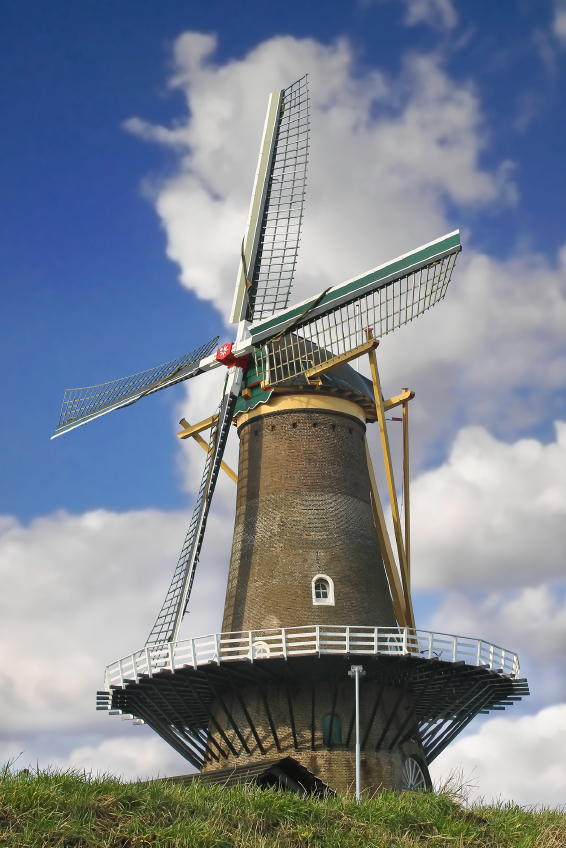
Old windmill in the town of Gorinchem. NetherlandsHow to save big bucks when traveling, preparing for back to school shopping, and what mistakes to avoid when managing your 401(k).

5 Coolest Travel Share Websites
Why pay for an overpriced hotel room when you can have the literal run of the house?

9 Money Management Tips for Newly Employed Millennials
Finally making real money is exciting. But finding ways to save it is vital.

Help with Managing Finances for People with Disabilities
Things to take into consideration when taking care of a disabled person’s finances.

2013 Sales Tax Holidays for Back-to-School Shopping
Find out when your state’s holiday is and what purchases will be tax-free.

The Experts: The Biggest 401(k) Mistakes to Avoid
Important tips on how to properly manage your 401(k).

Filed Under: Liz's Blog Tagged With: 401(k), back-to-school shopping, disability, Retirement, travel, young money

  • « Go to Previous Page
  • Page 1
  • Interim pages omitted …
  • Page 12
  • Page 13
  • Page 14
  • Page 15
  • Page 16
  • Go to Next Page »

Primary Sidebar

Search

Copyright © 2026 · Ask Liz Weston 2.0 On Genesis Framework · WordPress · Log in