 Today’s top story: How to adjust your school supplies budget for the online classroom. Also in the news: 5 things to do with all that money you haven’t been spending the past few months, is moving now the best financial move for Millennials, and how COVID-19 may impact applying for financial aid.
How to adjust your school supplies budget for the online classroom
A different setting requires different supplies.
5 things to do with all that money you haven’t been spending the past few months
Don’t let that extra money just sit there.
Millennial Money: Is moving now your best financial move?
Reconsidering your living situation.
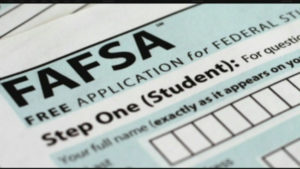
How COVID-19 May Impact Applying for Financial Aid
Your family’s financial situation may have changed.
 Today’s top story: How first-home shoppers can keep a cool head in a hot market. Also in the news: When debt relief does more harm than good, how to make a debt-free switch to cashless payments, and what to know before using buy now, pay later financing.
 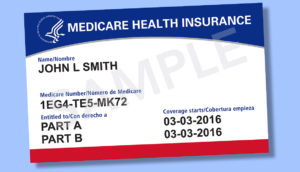 Today’s top story: Working remotely in the pandemic may generate a tax surprise. Also in the news: Advice on how to fly safely over the holidays, student debt continues to rise for new pharmacists, and how to save money during Medicare open enrollment this year.