Entries tagged with “holidays”.
Did you find what you wanted?
Wed 23 Dec 2009
Posted by lizweston under Liz's Blog
[6] Comments
Some things are a real waste of money, like appetizer trays from the supermarket or deli. (What, you can’t chop a few vegetables?)
Other expenditures may seem like splurges, but are well worth the money. Here are my nominations; feel free to add yours in the comments.
Valet parking at the mall in December. They could charge me $20 or even more, and I’d think it was a bargain to avoid the endless circling looking for a parking spot. So far, though, the most I’ve paid is $8 plus a tip, and many places charge less.
Oil changes. I used to do this myself—yuck. Now my trusted mechanic does it, and checks all the tanks and belts and other do-dads while he’s at it. He also has to dispose of the oil properly, another yucky task I’m happy to delegate.
Date night. Even when money was tight, hubby and I went out to eat once in awhile. There’s something about being out of the house, where we weren’t constantly reminded of all the chores we had to do, that helped us relax and focus on each other. Now that we have a kid, date night is even more important.
Preventative care and screenings. We have a high-deductible health insurance policy, which means we pay out of pocket for a lot of our health care. I don’t enjoy shelling out huge wads of money when a trip to Paris isn’t involved, but my mom died of a cancer that could have been detected and cured with a simple screening. So spend it we do.
Charitable donations. MSN contributor Donna Freedman has written frequently about how important she feels it is to give, even on her super-tight student budget. Through thick and thin, we’ve tried to keep up our giving, as well. This year, we feel especially blessed, and it’s been fun to involve our daughter in our end-of-the-year donation decision-making. (She likes cheetahs, so some of our contributions will be going to a cheetah preservation fund.) We’re also making a donation to Heifer.org, so I get to say, “I’m getting a water buffalo for Christmas!”
Whatever holiday you celebrate, may you have a joyous and peaceful one and a happy new year.

Tue 24 Nov 2009
Posted by lizweston under Liz's Blog
[3] Comments

photo credit: Russ Beinder
I’m hearing from lots of people who plan to only spend cash this holiday season to stay within their budgets.
A recent USAA survey found more than half of respondents planned not to use credit cards at all, and 85% planned to pay cash for at least some purchases. Two-thirds planned to use more cash than last year.
I’m all for restraining spending and avoiding debt, but cash has quite a few disadvantages, such as:
Cash is easily lost or stolen. So are credit and debit cards, of course, but plastic comes with zero-liability protection. With credit cards, particularly, loss or theft is almost a non-issue; your card is quickly replaced and you move on.
There’s no “court of appeals.” Credit card issuers serve as middlemen when you have a dispute, a function I’ve had to use a few times. Unless you absolutely, positively trust the merchant to do right by you, you’re better off with that extra layer of protection.
There’s no purchase protection. Most gold and platinum cards will pay to replace your purchases if they’re lost, stolen or damage. Coverage varies by card, but you typically can get reimbursed for incidents that happen within 60 to 90 days of purchase.
Debit cards and prepaid cards aren’t really a good substitute for cash. Not only do they lack credit cards’ protections, but they have their own disadvantages: ridiculous fees in the case of prepaid cards, and the possibility of overdrafts in the case of debit cards.
If you really can’t control your spending without cash, then by all means, use cash. If you want to avoid debt without giving up credit cards’ advantages, though, here’s another approach to try:
Draw up your holiday budget. Include your list of gift recipients and how much you plan to spend on each. Also include travel, decorating and entertaining costs. Adjust as needed until you have a spending plan that doesn’t require you to add to your debt.
Set aside that money. You can transfer the whole amount to savings before you start shopping, or transfer as you go: as soon as you get back from shopping, log on to your bank and shift the amounts on your receipts from checking to savings. When the bills come, transfer the money back into your checking account and pay it off in full. Or you can make payments to your credit card as you go; most credit card issuers allow you to make payments weekly, if not more often.

Wed 16 Sep 2009
Posted by lizweston under Liz's Blog
Comments Off

photo credit: christopher.woo
The countdown to the holidays has begun, and if you’re like most people you’re trying not to spend a fortune this year. If the usual “make a pretty basket of soaps!” advice isn’t cutting it, here are some suggestions that might work for you:
Start later. Shopping all year round can help you snag some pretty good deals, but typically, the longer you shop, the more you spend. Retailers have been saving their biggest discounts until late in the season, so if you can stand to wait, consider doing the bulk of your shopping in one concentrated burst later in the season. (One example: DealNews.com says high-end, name-brand flat-screen LCD TVs were 8%-12% cheaper last December than at any point in November, including Black Friday and Cyber Monday.) Free shipping offers start to get scarce about a week before Christmas, but DealNews CEO Dan de Grandpre predicts you may be able to find free shipping as late as Dec. 22 or 23 at some sites. If you opt to do your shopping last minute at the mall, be sure to bring your helmet and pads.
Have the talk. The easiest way to trim costs is to trim the gift exchange. Many families buy gifts only for the kids, or pull names from a hat, or gang up to buy more expensive presents (which is a great approach for teenagers, mothers-in-law and other picky recipients). Suggest to friends that you bypass presents in favor of experiences—coffee out, a pedicure together, a movie and popcorn.
Use your rewards. Most credit cards these days have some kind of rewards program attached. You may be able to can use your rewards points to buy merchandise, gift cards and magazine subscriptions. If you’re feeling really generous, you can use frequent traveler points to get someone a free night at a hotel, a free airplane ticket or an upgrade to first class.
No “Secret Santas.” The recession should have killed this half-baked notion of buying presents for co-workers and others whose tastes and proclivities you shouldn’t be expected to know. If not, counter with a better idea: the white elephant gift exchange, which is at least fun for all participants. Set a low limit on the amount that can be spent ($10 is good, $5 is better), put the gifts in a pile and give each person a chance to pick. Each subsequent person can pick from the pile or steal from the previous pickers. Hilarity ensues.
Give heirlooms. Don’t wait until you’re dead to pass on family jewelry, china, photos or Great Uncle Phil’s banjo-playing taxidermied frogs. Declutter while you’re still around to enjoy the reaction.

Tue 14 Jul 2009
Posted by lizweston under Liz's Blog
[2] Comments

photo credit: quaglia
Targeted accounts are the best thing to happen to savers since compound interest. But too few people use them, or understand how much easier they can make the budgeting process.
A targeted account is simply a savings account that you designate for a single purpose. You can set up different targeted accounts for specific goals, such as vacations and home improvements, as well as for recurring expenses such as car repairs, holiday spending, quarterly tax payments and insurance premiums.
These individual “buckets” of savings can help you track your progress to your goals and make sure you have the money you need, when you need it. When all your savings are jumbled together in one account, it’s too easy to overspend–you’ll think you have enough for that vacation to Disney World only to find out you just spent the money you’d been saving for Christmas.
The easiest (and least expensive) way to set up targeted accounts is usually through an online bank such as ING Direct, Emigrant Direct or FNBO Direct. Online banks allow you to set up multiple savings accounts for free, with no minimum balance requirements or account fees, plus you can name them anything you want.
For example, I named our main savings account at our online bank “Emergency Fund” and use that to store the cash we’d need to get through several months of unemployment.
But I also have accounts for “vacation” and “sabbatical.” The vacation fund gets a monthly infusion to cover any weekend trips as well as the longer family getaways we take each year. The sabbatical fund, which will pay for a much longer trip several years in the future, also gets regular contributions.
I use other savings buckets for taxes, car repairs, home repairs, insurance payments and the holidays.
Those buckets ensure that we’ll have the money, in advance, to have fun and follow our dreams.
For more, read:

Mon 3 Dec 2007
Posted by lizweston under Liz's Blog
Comments Off
Â
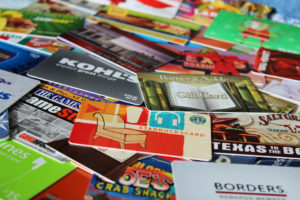
I’m no fan of gift cards, as I’ve made abundantly clear in various MSN columns (most recently in “20 easy gifts that aren’t gift cards“).
But since plastic cards are even more popular to give than to get, you may end up with some. To get them most out of your cards, you should:
Make a copy of the front and back in case the card is lost or stolen. Make sure the the card number, any PIN and the customer service number are legible; if not, write ‘em down in a secure place. If the card goes missing, call customer service ASAP.
Use it fast. Many cards come with monthly fees that quickly erode their worth, and some have expiration dates. If the card is for a retailer you don’t patronize, swap with a friend or put it up for sale on eBay.
Keep track of its worth. One seriously annoying feature of a gift card is that it’s easy to lose track of how much you have left to spend. If you try to use a card with too little value at a retailer, your purchase may be rejected. So you typically have to keep calling the 800 number to monitor its worth. If you’re going to use a card for a purchase that exceeds the card’s worth, you should tell the clerk how much is on the card so you’ll be able to make up the rest in cash, credit or debit.

Mon 3 Dec 2007
Posted by lizweston under Liz's Blog
Comments Off
I’m no fan of gift cards, as I’ve made abundantly clear in various MSN columns (most recently in “20 easy gifts that aren’t gift cards“).
But since plastic cards are even more popular to give than to get, you may end up with some. To get them most out of your cards, you should:Â
Make a copy of the front and back in case the card is lost or stolen. Make sure the the card number, any PIN and the customer service number are legible; if not, write ‘em down in a secure place. If the card goes missing, call customer service ASAP.
Use it fast. Many cards come with monthly fees that quickly erode their worth, and some have expiration dates. If the card is for a retailer you don’t patronize, swap with a friend or put it up for sale on eBay.
Keep track of its worth. One seriously annoying feature of a gift card is that it’s easy to lose track of how much you have left to spend. If you try to use a card with too little value at a retailer, your purchase may be rejected. So you typically have to keep calling the 800 number to monitor its worth. If you’re going to use a card for a purchase that exceeds the card’s worth, you should tell the clerk how much is on the card so you’ll be able to make up the rest in cash, credit or debit.

Thu 29 Nov 2007
Posted by lizweston under Liz's Blog
Comments Off
Â
Chase just rolled out aÂ
Holiday Spending Planner to help you budget for the costs of the holidays (gifts, travel, decorations, etc.). The planner prompts you to fill how you’re going to pay for each item (cash, check, credit card, debit card) as well as how much you plan to spend.
Once you create your plan you log back in from anywhere to update it. You can print it out to take with you shopping or email it to your Internet-enabled phone so you can access it 24/7.
The planner allows you to sift and sort lists (click on the column headings to sort by type of spending or amount, for example). You can also click on the “View summary link” to see your spending totaled by payment method. That way you know how much cash to withdraw for holiday tips and what your credit card totals will be.Â
(Note: Edited to include some of the planner’s capabilities I missed when I first posted.)